Showing posts with label Dimensions of Culture. Show all posts

Tuesday, September 6, 2016

InterculturalCom: Onions, Icebergs and Culture (W3-P4) Fa16


Hofstede has more metaphors.


Do you notice what is at the center of the Tootsie Pop, I mean onion?  What's the significance of being at the center?  Being on the outside layer?

Others have "metaphoricalized" culture as an iceberg.
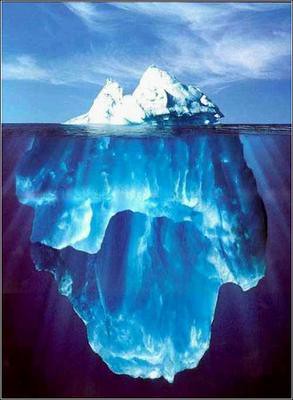
iceberg

Like with the onion metaphor where would the different aspects of culture be located?  What would be on the surface (above the water-line)?  What would be below?  What is the significance of something being below the surface?

As a captain of your own ship out of the see of intercultural interactions, what should you be most aware of? What is going to sink your ship?


Share this post with others. See the Twitter, Facebook and other buttons below.
Please follow, add, friend or subscribe to help support this blog.
See more about me at my web site WilliamHartPhD.com.


InterculturalCom: Hofstede's Computer Metaphor of Culture (W3-P2) Fa16


Geert Hofstede views culture as the software of the mind.


What does that mean?

What is software?
  • a list of instructions which tells a computer what to do.

All metaphorical comparisons are not perfect.  How is culture not like software?

If culture is software, who programmed us?


Source: Cultures and Organizations: Software for the Mind, Third Edition


Share this post with others. See the Twitter, Facebook and other buttons below.
Please follow, add, friend or subscribe to help support this blog.
See more about me at my web site WilliamHartPhD.com.


InterculturalCom: Ways in Which Cultural Groups Differ (W3-P2) Fa16


What are ways in which cultural groups differ?


According to Gardenswartz and Rowe, cultures vary along the following dimensions...

1. Sense of self & space
2. Comm.style & language
3. Dress & appearance
4. Food & eating habits
5. Time orientation
6. Relationships
7. Values and norms
8. Beliefs and attitudes
9. Mental processing & learning
10. Work habits & practices


Source: Managing Diversity: A Complete Desk Reference & Planning Guide


Share this post with others. See the Twitter, Facebook and other buttons below.
Please follow, add, friend or subscribe to help support this blog.
See more about me at my web site WilliamHartPhD.com.


InterculturalCom: What is Culture? (W3-P1) Fa16


What is Culture?

A 19th century approach to culture:
  • cultured: a high state of Western civilization.

Over 200 definitions in the literature.

Culture is "the set of shared knowledge that influences a particular group of peoples' thoughts and behavior" (Hart).

So, if you had to define culture in one word, what would that word be?

Knowledge.

So where is culture?

In our head, our brain?

How did it get there?

We learned it.  Culture is learned and itt is there between our ears.

As members of cultural groups, what knowledge do we learn?

Language, beliefs, values, history, rituals, etc.

Who teaches us the culture?


Share this post with others. See the Twitter, Facebook and other buttons below.
Please follow, add, friend or subscribe to help support this blog.
See more about me at my web site WilliamHartPhD.com.


Friday, August 29, 2014

InterculturalCom: Onions, Icebergs and Culture (U2-P4) Fa14

Hofstede has more metaphors.


Do you notice what is at the center of the Tootsie Pop, I mean onion?  What's the significance of being at the center?  Being on the outside layer?

Others have "metaphoricalized" culture as an iceberg.

iceberg

Like with the onion metaphor where would the different aspects of culture be located?  What would be on the surface (above the water-line)?  What would be below?  What is the significance of something being below the surface?

As a captain of your own ship out of the see of intercultural interactions, what should you be most aware of? What is going to sink your ship?


Share this post with others. See the Twitter, Facebook and other buttons below.
Please follow, add, friend or subscribe to help support this blog.
See more about me at my web site WilliamHartPhD.com.


InterculturalCom: Ways in Which Cultural Groups Differ (U2-P3) Fa14

What are ways in which cultural groups differ?


According to Gardenswartz and Rowe, cultures vary along the following dimensions...

1. Sense of self & space
2. Comm.style & language
3. Dress & appearance
4. Food & eating habits
5. Time orientation
6. Relationships
7. Values and norms
8. Beliefs and attitudes
9. Mental processing & learning
10. Work habits & practices


Source: Managing Diversity: A Complete Desk Reference & Planning Guide


Share this post with others. See the Twitter, Facebook and other buttons below.
Please follow, add, friend or subscribe to help support this blog.
See more about me at my web site WilliamHartPhD.com.


InterculturalCom: Hofstede's Computer Metaphor of Culture (U2-P2) Fa14


Geert Hofstede views culture as the software of the mind.


What does that mean?

What is software?
  • a list of instructions which tells a computer what to do.

All metaphorical comparisons are not perfect.  How is culture not like software?

If culture is software, who programmed us?


Source: Cultures and Organizations: Software for the Mind, Third Edition


Share this post with others. See the Twitter, Facebook and other buttons below.
Please follow, add, friend or subscribe to help support this blog.
See more about me at my web site WilliamHartPhD.com.


InterculturalCom: What is Culture? (U2-P1) Fa14

What is Culture?

A 19th century approach to culture:
  • cultured: a high state of Western civilization.

Over 200 definitions in the literature.

Culture is "the set of shared knowledge that influences a particular group of peoples' thoughts and behavior" (Hart).

So, if you had to define culture in one word, what would that word be?

Knowledge.

So where is culture?

In our head, our brain?

How did it get there?

We learned it.  Culture is learned and itt is there between our ears.

As members of cultural groups, what knowledge do we learn?

Language, beliefs, values, history, rituals, etc.

Who teaches us the culture?


Share this post with others. See the Twitter, Facebook and other buttons below.
Please follow, add, friend or subscribe to help support this blog.
See more about me at my web site WilliamHartPhD.com.


Tuesday, September 3, 2013

InterculturalCom: Activity: What is the Problem in These Intercultural Interactions? (U2-P5)


For more of what the authors call "critical incidents" see Intercultural Interactions: A Practical Guide (Cross Cultural Research and Methodology)

Source:


Share this post with others. See the Twitter, Facebook and other buttons below.
Please follow, add, friend or subscribe to help support this blog.
See more about me at my web site WilliamHartPhD.com.


Friday, August 30, 2013

InterculturalCom: Onions, Icebergs and Culture (U2-P4) Fa13

Hofstede has more metaphors.


Do you notice what is at the center of the Tootsie Pop, I mean onion?  What's the significance of being at the center?  Being on the outside layer?

Others have "metaphoricalized" culture as an iceberg.

iceberg

Like with the onion metaphor where would the different aspects of culture be located?  What would be on the surface (above the water-line)?  What would be below?  What is the significance of something being below the surface?

As a captain of your own ship out of the see of intercultural interactions, what should you be most aware of? What is going to sink your ship?


Share this post with others. See the Twitter, Facebook and other buttons below.
Please follow, add, friend or subscribe to help support this blog.
See more about me at my web site WilliamHartPhD.com.


InterculturalCom: Ways in Which Cultural Groups Differ (U2-P3) Fa13

What are ways in which cultural groups differ?


According to Gardenswartz and Rowe, cultures vary along the following dimensions...

1. Sense of self & space
2. Comm.style & language
3. Dress & appearance
4. Food & eating habits
5. Time orientation
6. Relationships
7. Values and norms
8. Beliefs and attitudes
9. Mental processing & learning
10. Work habits & practices


Source: Managing Diversity: A Complete Desk Reference & Planning Guide

Share this post with others. See the Twitter, Facebook and other buttons below.
Please follow, add, friend or subscribe to help support this blog.
See more about me at my web site WilliamHartPhD.com.


InterculturalCom: Hofstede's Computer Metaphor of Culture (U2-P2) Fa13


Geert Hofstede views culture as the software of the mind.


What does that mean?

What is software?
  • a list of instructions which tells a computer what to do.

All metaphorical comparisons are not perfect.  How is culture not like software?

If culture is software, who programmed us?


Source: Cultures and Organizations: Software for the Mind, Third Edition


Share this post with others. See the Twitter, Facebook and other buttons below.
Please follow, add, friend or subscribe to help support this blog.
See more about me at my web site WilliamHartPhD.com.


InterculturalCom: What is Culture? (U2-P1) Fa13

What is Culture?

A 19th century approach to culture:
  • cultured: a high state of Western civilization.

Over 200 definitions in the literature.

Culture is "the set of shared knowledge that influences a particular group of peoples' thoughts and behavior" (Hart).

So, if you had to define culture in one word, what would that word be?

Knowledge.

So where is culture?  

In in our brains?

How did it get there?

We learned it.  Culture is learned.

As members of cultural groups, what knowledge do we learn?

Language, beliefs, values, history, rituals, etc.

Who teaches us the culture?


Share this post with others. See the Twitter, Facebook and other buttons below.
Please follow, add, friend or subscribe to help support this blog.
See more about me at my web site WilliamHartPhD.com.


Tuesday, September 4, 2012

InterculturalCom: Activity: What is the Problem in These Intercultural Interactions? (U2-P5) fa12


For more of what the authors call "critical incidents" see Intercultural Interactions: A Practical Guide (Cross Cultural Research and Methodology)

Source:


See more at my web site WilliamHartPhD.com.


Share this post with others. See the Twitter, Facebook and other buttons below.
Please follow, add, friend or subscribe to help support this blog.
See more about me at my web site WilliamHartPhD.com.


InterculturalCom: Onions, Icebergs and Culture (U2-P4) fa12


Hofstede has more metaphors.


Do you notice what is at the center of the Tootsie Pop, I mean onion?  What's the significance of being at the center?  Being on the outside layer?

Others have "metaphoricalized" culture as an iceberg.

iceberg

Like with the onion metaphor where would the different aspects of culture be located?  What would be on the surface (above the water-line)?  What would be below?  What is the significance of something being below the surface?

As a captain of your own ship out of the see of intercultural interactions, what should you be most aware of?  What is going to sink your ship?


See more at my web site WilliamHartPhD.com.


Share this post with others. See the Twitter, Facebook and other buttons below.
Please follow, add, friend or subscribe to help support this blog.
See more about me at my web site WilliamHartPhD.com.


InterculturalCom: Ways in Which Cultural Groups Differ (U2-P3) fa12


What are ways in which cultural groups differ?


According to Gardenswartz and Rowe, cultures vary along the following dimensions...

1. Sense of self & space
2. Comm.style & language
3. Dress & appearance
4. Food & eating habits
5. Time orientation
6. Relationships
7. Values and norms
8. Beliefs and attitudes
9. Mental processing & learning
10. Work habits & practices


Source: Managing Diversity: A Complete Desk Reference & Planning Guide

See more at my web site WilliamHartPhD.com.


Share this post with others. See the Twitter, Facebook and other buttons below.
Please follow, add, friend or subscribe to help support this blog.
See more about me at my web site WilliamHartPhD.com.


InterculturalCom: Hofstede's Computer Metaphor of Culture (U2-P2) fa12


Geert Hofstede views culture as the software of the mind.


What does that mean?

What is software?
  • a list of instructions that tell a computer what to do.

All metaphorical comparisons are not perfect.  How is culture not like software?

If culture is software, who programmed us?


Source: Cultures and Organizations: Software for the Mind, Third Edition


See more at my web site WilliamHartPhD.com.


Share this post with others. See the Twitter, Facebook and other buttons below.
Please follow, add, friend or subscribe to help support this blog.
See more about me at my web site WilliamHartPhD.com.


InterculturalCom: What is Culture? (U2-P1) fa12


What is Culture?

A 19th century approach to culture:
  • cultured: a high state of Western civilization.

Over 200 definitions in the literature.

"Culture is the set of shared knowledge that influences a particular group of peoples' thoughts and behavior" (Hart).

So, if you had to define culture in one word, what would that word be?

Knowledge.

So where is culture?

In in our brains.

How did it get there?

We learned it.  Culture is learned.

As members of cultural groups, what knowledge do we learn?

Language, beliefs, values, history, rituals, etc.

Who teaches us the culture?


See more at my web site WilliamHartPhD


Share this post with others. See the Twitter, Facebook and other buttons below.
Please follow, add, friend or subscribe to help support this blog.
See more about me at my web site WilliamHartPhD.com.